

an initiative of The Wellness Classroom and Public Works Alliance
The Youth Mental Health Crisis Has a Solution.
A Prevention First Workforce for NYC Schools
School WellForce NYC aims to shift youth mental health from crisis response to prevention
The Wellness Classroom and Public Works Alliance are partnering to launch School WellForce NYC, a three-year demonstration project that will test a scalable model of school-based prevention by training and embedding certified wellness coaches in public schools, sustained through Medicaid reimbursement.
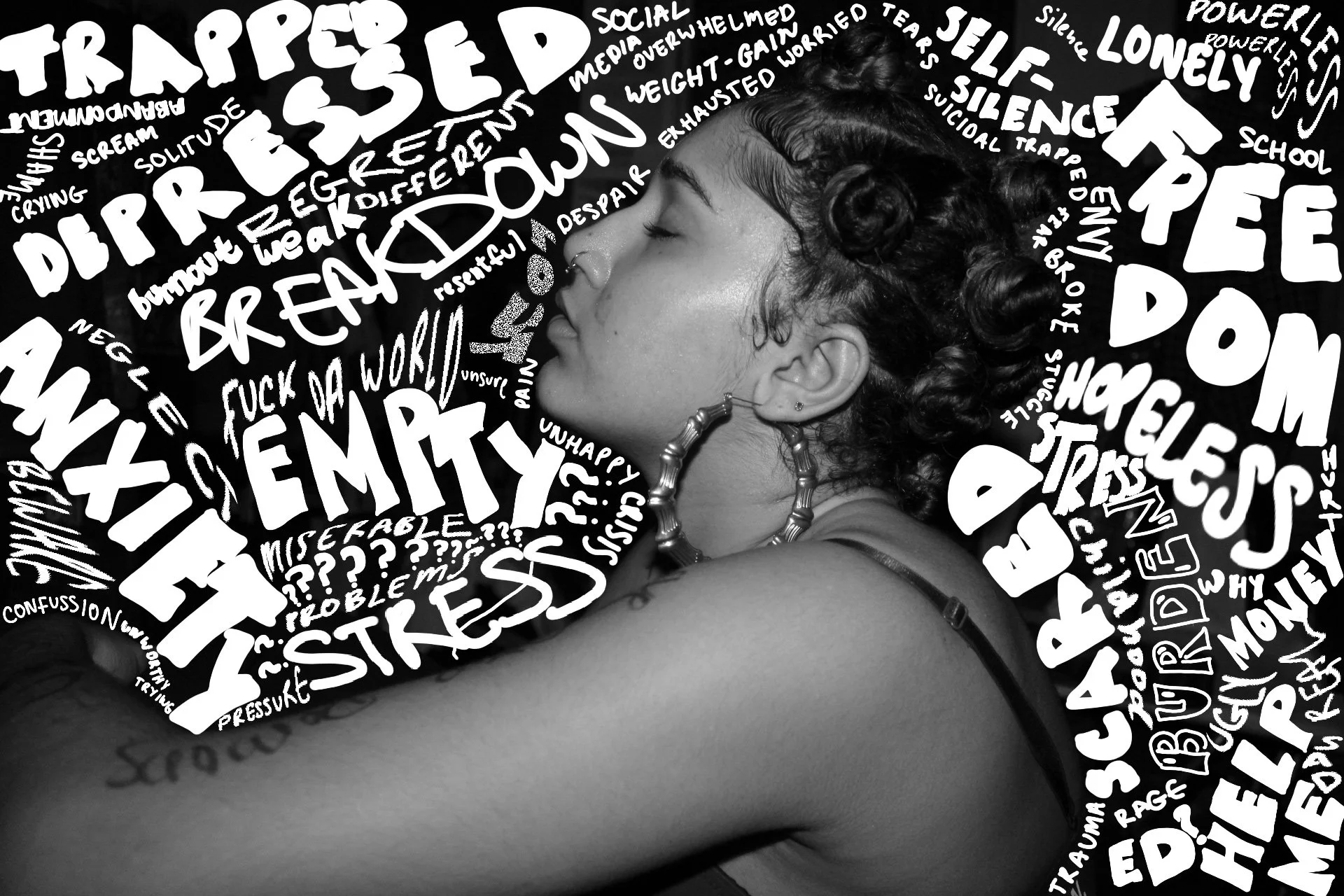
Photo by: Sharjah M. Bodji This reimagines healing by:
Expanding access to care
Cultivating schools to be a place where every child feels safe and known
Training providers from the local community and with shared lived experience
WHY NOW?
Schools have become the default providers of youth mental health support, but the system lacks the capacity to meet growing demand.
While there is real and committed work happening across NYC schools to address mental health, New York City has a unique opportunity to strengthen prevention and early intervention. Our program is designed to fund and fill the gap for students before they are in crisis, complementing and strengthening the clinical work already underway.

Suicide recently surpassed cancer as a cause of death among young people

Many NYC schools do not meet recommended behavioral health staffing levels
It’s already working – schools in CA, CT, IL, and MN have implemented similar programs linking Medicaid to school-based services and support
Most NYC students are Medicaid-eligiblE
Existing Medicaid pathways and healthcare provider infrastructure create an opportunity to expand prevention-focused services in schools
HOW IT WORKS:
School WellForce NYC unlocks three things at once:

Who Delivers Care
1
Certified wellness coaches recruited from local communities
Shared lived experience and cultural alignment
Training in peer support, family engagement, youth development, care coordination, and school-based practice
A trusted community workforce

When Care Happens
2
Tier 1 and Tier 2 supports
Family engagement and resource navigation
Early identification of concerns
Stronger connections between schools, families, and providers
Prevention before crisis

Who Pays for Care
3
Partnerships with Article 28 and Article 31 providers
Clinical supervision and operational infrastructure
Existing Medicaid reimbursement pathways
Long-term sustainability beyond philanthropy
Sustainable public financing
DEMONSTRATION PROJECT
Building and Testing a New Model
School WellForce NYC is a three-year demonstration project that will test a scalable model of school-based prevention.
Over three years, we aim to:
Partner with ~20 Article 28 and Article 31 clinics
Reach ~15,000 students
Create ~60 local behavioral health jobs
The project will evaluate student, workforce, and financing outcomes while building evidence for future expansion across New York City and beyond.
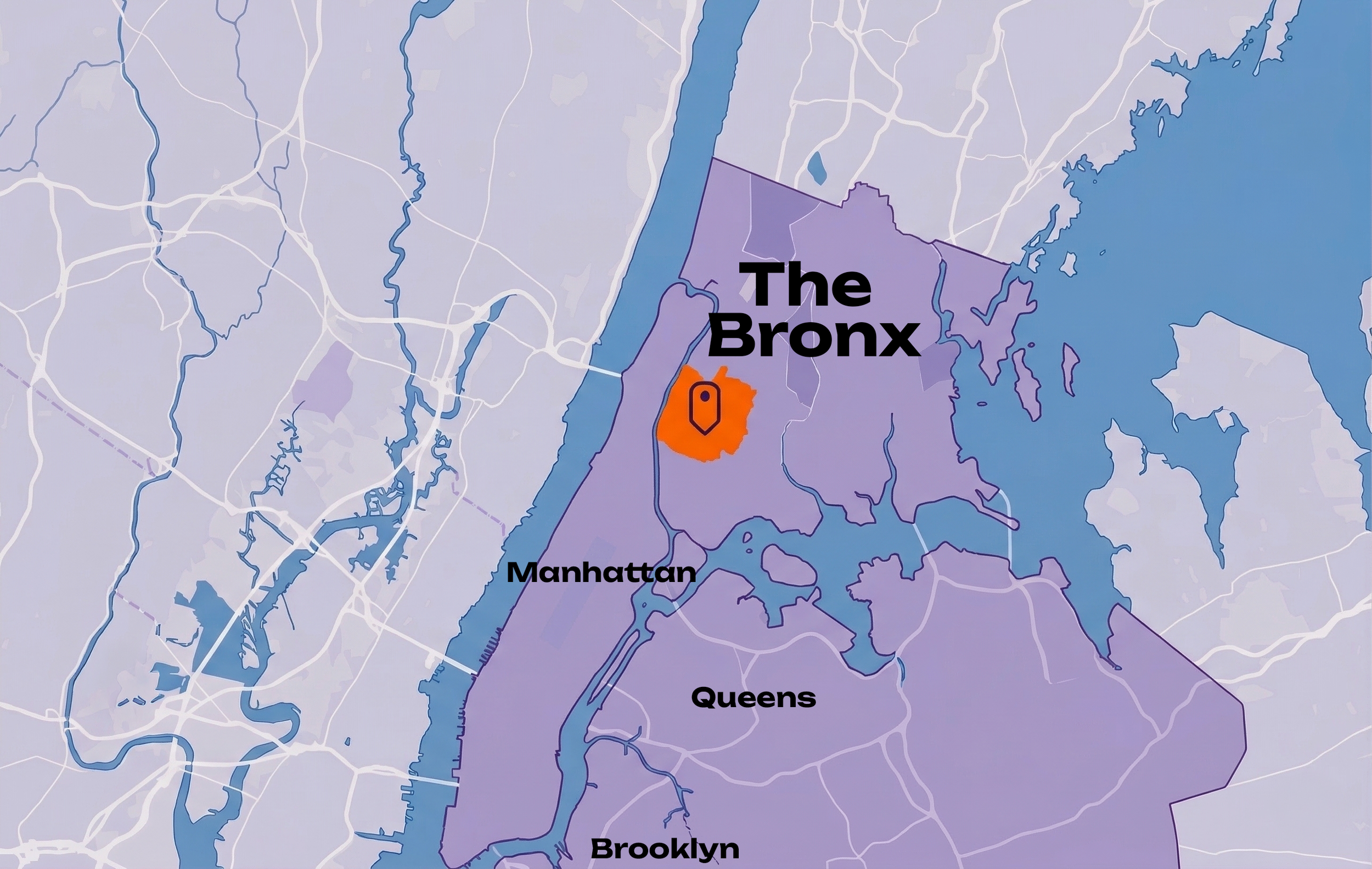
The initiative is led by The Wellness Classroom and Public Works Alliance, in partnership with The Partnership for New York City, The Arthur Project, and The Jed Foundation.
Team & Partners
Together, these partners bring deep expertise in school-based mental health, financing, evaluation, and policy implementation.
Public works alliance
Alex Briscoe – Co-Founder, The Public Works Alliance; Principal at California Children's Trust
Kofi Taha – Director of Workforce Development, The Public Works Alliance
Sarah Holloway – Co-Founder, The Wellness Classroom; Faculty and Director, MPA, Columbia University School of International and Public Affairs
Eric Weingartner – Co-Founder, The Wellness Classroom; President, The Overbrook Foundation
Anke Ehlert – Director, The Wellness Classroom

The Wellness classroom
David Adams, MSEd – CEO, The Urban Assembly
Dr. Prerna Arora, PhD – Associate Professor of Psychology and Education, Teachers College, Columbia University
Dr. Angela Diaz, MD, PhD, MPH – Dean of Global Health, Social Justice, and Human Rights, the Jean C. and James W. Crystal Professor in Adolescent Health, Department of Pediatrics and Department of Environmental Medicine, and Professor, Department of Global Health and Health Systems Design at the Icahn School of Medicine
NYC Advisory Board
John MacPhee, MBA, MPH – CEO, The Jed Foundation
Dr. Michael Preston, PhD – Executive Director, Joan Ganz Cooney Center @ Sesame Workshop
Dr. Tracy Dennis-Tiwary, PhD – Professor of Psychology and Neuroscience, Director of the Emotion Regulation Lab at Hunter College, The City University of New York; Co-founder, Arcade Therapeutics
Eric Weingartner, MPA – Co-Founder, The Wellness Classroom; CEO, The Overbrook Foundation
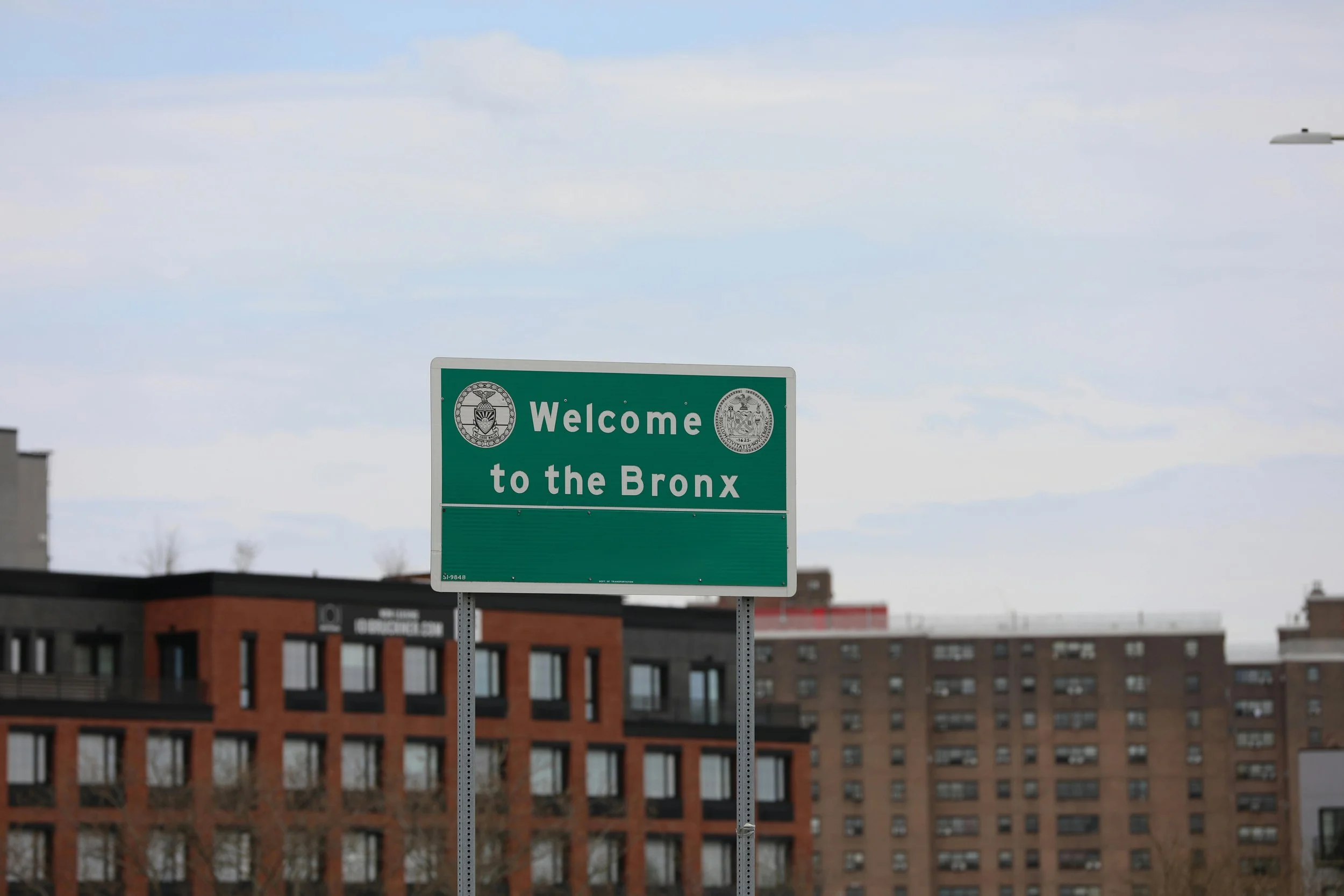
In District 9, we are committed to every student belonging socially and emotionally, excelling academically, and thriving in their communities. We are working to build a strong mental health continuum that ensures students are connected to and supported by members of their community who can support this vision.”
Harry Sherman, Superintendent, District 9

Your Questions, Answered
-
Certified wellness coaches are trusted adults from the communities they serve who receive dual certification as community health workers and peer advocates and specialized training in peer support, family engagement, care coordination, youth development, and school-based practice.
Working alongside school staff and licensed clinicians, they build daily relationships with students, connect families to resources, identify early warning signs before crisis, and strengthen school‑wide wellness culture.
-
School Wellforce NYC strengthens what schools already have; it doesn’t replace it.
Imagine a 500-student middle school with one guidance counselor and limited clinical support. Today, most mental health staff spend their time responding to crises. With School Wellforce NYC, certified wellness coaches are embedded in the building every day.
Tier 1: Prevention
For all students, CWCs lead classroom wellness sessions, small groups, and family workshops. They build trusted relationships and make support visible and normal.Tier 2: Early intervention/support
Because they’re present and connected, CWCs spot concerns early, like attendance shifts, behavior changes, and withdrawal. They provide short-term support and coordinate with families before challenges escalate.Tier 3: Clinical care
Licensed clinicians remain essential. When therapy or intensive services are needed, CWCs coordinate referrals and ensure follow-through so clinicians can focus on care.The result is a better Multi-Tiered System of Supports (MTSS): prevention first, early intervention second, clinical care when needed. More aligned, less fragmented.
-
Article 28 and Article 31 providers already possess the clinical supervision, operational infrastructure, and Medicaid billing systems needed to support behavioral health services.
By partnering with existing providers, School WellForce can launch more quickly, integrate certified wellness coaches into behavioral health teams, and build a pathway toward long-term sustainability.
-
Many prevention-focused behavioral health services can already be supported through existing Medicaid pathways.
School WellForce NYC is not proposing a new funding stream. We are building the workforce, operational systems, and implementation infrastructure needed to help schools and healthcare providers access existing reimbursement opportunities.
This includes:
School-ready service models that align Medicaid requirements with school realities
Billing and documentation systems that support reimbursement
Clinical supervision and implementation through Article 28 and Article 31 providers
Sustainable financing strategies that reduce reliance on philanthropy over time
-
School WellForce NYC is designed to test and evaluate a new model of school-based prevention before pursuing broader expansion.
The demonstration will help answer key questions about implementation, student outcomes, workforce development, and long-term financing while generating evidence for future scale across New York City and beyond.
Join Us
School WellForce NYC is designed to demonstrate how prevention, workforce development, healthcare partnerships, and public financing can work together to better support young people.
We are currently seeking school partners, healthcare providers, workforce development partners, funders, policymakers, and community leaders who want to help shape and launch this work.
If you'd like to learn more or explore partnership opportunities, we'd love to hear from you.
A big thanks to the student photographers at ICP at The Point for helping to tell this story.

Photo by: Cora Quiñones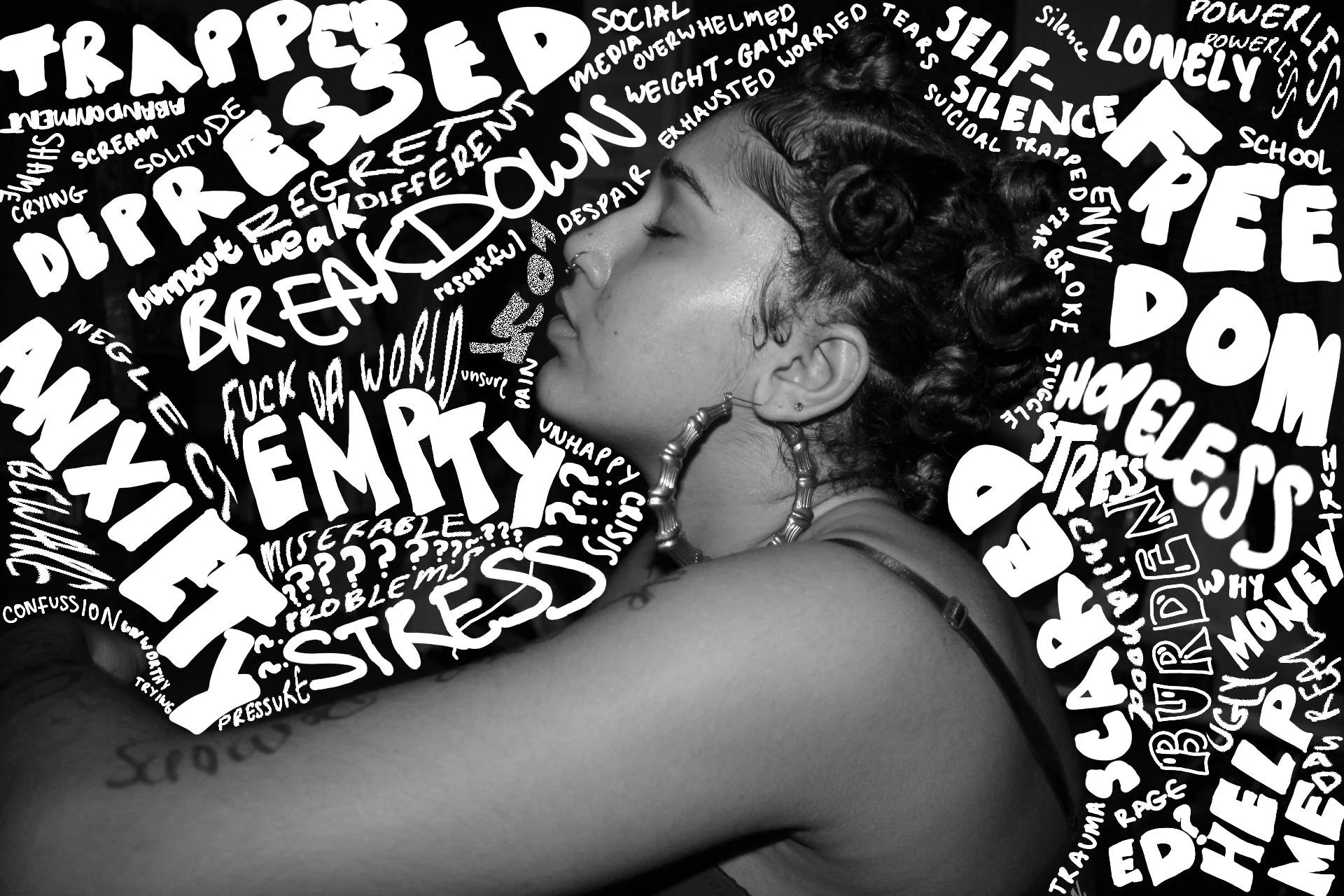
Photo by: Sharjah M. Bodji 
Photo by: Cora Quiñones
Photo by: Noah Terrell